
If you were injured at a Tucson resort or hotel, you need to understand your legal rights, and you may need a slip and fall lawyer. Hospitality properties throughout Tucson carry unique hazards for guests, and Arizona law holds hotels and resorts to a high standard of care. This article explains why these accidents happen so often, what legal duties property owners owe guests, and what you should do after a serious fall.
Why Are Tucson Resorts and Hotels High-Risk Locations for Slip and Fall Accidents?
Tucson’s resorts attract visitors from across the country, especially in the Catalina Foothills, Dove Mountain, and Rincon Mountain regions. While these properties are designed to look luxurious and relaxing, they also contain many conditions that create serious slip and fall risks.
Pool Decks and Wet Surface Hazards
A resort pool deck accident is one of the most common hospitality-related injury cases in Tucson.
Pool areas stay wet constantly because of:
- Swimmers entering and exiting the water
- Splashing
- Cleaning and maintenance
- Beverage spills
Many resorts use decorative tile, polished stone, or smooth concrete surfaces around pools that become extremely slippery when wet.
Property owners are expected to:
- Maintain reasonably safe walking surfaces
- Use slip-resistant materials where appropriate
- Warn guests about dangerous conditions
When they fail to do so, serious injuries can happen, including:
- Broken wrists and ankles
- Hip fractures
- Head injuries
- Back and spinal trauma
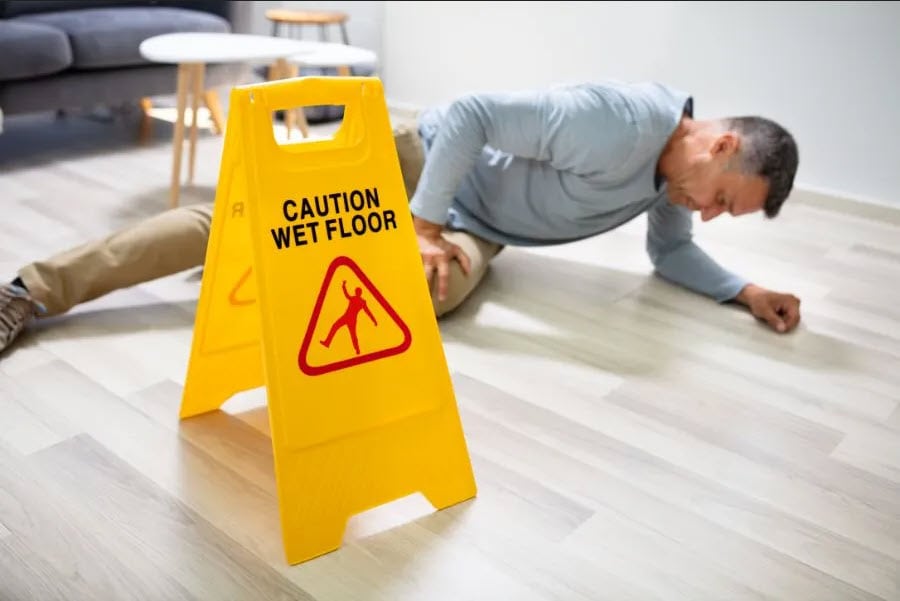
Spa Areas and Interior Resort Floors
Spa slip-and-fall accidents are also extremely common.
Spa facilities often contain:
- Steam rooms
- Wet treatment areas
- Locker rooms
- Tile flooring with minimal traction
Inside hotels, polished lobby floors and freshly mopped walkways create additional risks, especially when warning signs are missing or poorly placed.
Guests frequently track water from pools and outdoor areas into interior walkways, making resort entrances particularly dangerous.
Monsoon Season Creates Additional Dangers
Tucson’s monsoon season dramatically increases the risk of falls at hospitality properties.
Heavy rain can quickly create:
- Flooded walkways
- Mud-covered entrances
- Slippery outdoor dining areas
- Standing water on pathways
Resorts are expected to inspect and address dangerous conditions promptly after storms.
Failing to block off flooded areas, clean walkways, or warn guests about hazardous conditions may constitute strong evidence of negligence by the hospitality property.
What Legal Duty Do Tucson Hotels and Resorts Owe Guests?
Under Arizona premises liability law, hotel and resort guests are considered invitees.
That classification provides the highest level of legal protection available to visitors on a property.
The Duty of Reasonable Care
Hotels and resorts must actively maintain reasonably safe conditions for paying guests.
This includes obligations to:
- Regularly inspect the property
- Identify dangerous conditions
- Repair hazards promptly
- Warn guests about known dangers
Arizona courts generally hold hospitality properties to a high standard because guests reasonably rely on the property owner to provide a safe environment.
What Counts as Resort Negligence?
Hospitality property negligence often involves failures such as:
- Missing wet floor signs
- Failure to clean spills promptly
- Broken or uneven walkways
- Poor lighting
- Slippery flooring materials
- Failure to inspect after storms
Property owners do not necessarily have to know about a hazard directly. If they had discovered the danger through reasonable inspections, they may still be legally responsible.
Why Evidence Matters So Much
Successful hotel premises liability claims usually depend heavily on evidence.
You generally must prove:
- The dangerous condition existed
- The property owner knew or should have known about it
- The hazard caused your injury directly
That is why documentation immediately after the accident becomes extremely important.
What Should You Do After a Fall at a Tucson Resort?
The steps you take immediately after a fall can significantly affect both your recovery and your legal claim.
Report the Accident Immediately
Always report the incident to the hotel or resort management before leaving the property.
Ask for:
- A written incident report
- A copy of the report, if possible
- The names of the employees involved
Do not rely on verbal acknowledgment alone.
Take Photos and Preserve Evidence
Use your phone to document:
- The exact location of the fall
- Wet surfaces or debris
- Missing warning signs
- Lighting conditions
- Footwear and clothing
- Visible injuries
If there were witnesses nearby, try to collect their contact information before they leave.
Seek Medical Attention Quickly
Even if injuries initially seem minor, seek medical evaluation as soon as possible.
Slip-and-fall accidents commonly cause injuries that worsen over time, including:
- Concussions
- Soft tissue injuries
- Herniated discs
- Knee and shoulder injuries
Medical records help establish a direct connection between the accident and your injuries.
Delays in treatment often give insurance companies opportunities to dispute claims.
Contact a Slip and Fall Lawyer in Tucson
Hospitality property insurance companies often move quickly to protect themselves after serious guest injuries.
We help injured guests investigate:
- Security footage
- Maintenance records
- Cleaning schedules
- Prior complaints
- Witness statements
Early legal involvement often makes a major difference in preserving evidence before it disappears.
Why Legal Representation Matters in Resort Injury Cases
Hotel and resort injury claims can quickly become complicated.
Resorts Often Have Large Insurance Defenses
Major hospitality companies usually carry significant insurance policies and experienced defense attorneys.
Their goal is often to:
- Minimize payouts
- Shift the blame onto the guest
- Argue that the condition was obvious
- Claim the injuries were pre-existing
Having experienced representation helps protect you from these tactics.
Comparative Fault May Become an Issue
Arizona follows a comparative fault system.
Insurance companies may argue the injured guest was partially responsible by claiming:
- The guest was distracted
- The hazard was visible
- Improper footwear contributed to the fall
Strong evidence and careful case preparation help reduce the likelihood of these arguments.
Abboud Law Firm Helps Injured Tucson Guests
We represent injury victims throughout Tucson and Southern Arizona in serious premises liability cases involving:
- Resorts
- Hotels
- Spas
- Vacation properties
- Hospitality venues
We help clients pursue compensation for:
- Medical bills
- Lost income
- Pain and suffering
- Future treatment needs
- Permanent injuries
Frequently Asked Questions
How do I know if I have a valid slip-and-fall claim against a Tucson resort?
You may have a valid claim if the resort failed to maintain safe conditions, failed to warn about hazards, or failed to correct dangerous conditions that caused your injury.
What compensation can I recover after a hotel slip-and-fall accident?
Injured guests may recover compensation for medical expenses, lost wages, pain and suffering, rehabilitation costs, and future medical treatment depending on the severity of the injuries.
How long do I have to file a slip-and-fall lawsuit in Arizona?
Arizona generally allows 2 years from the date of injury to file a personal injury lawsuit. Missing the deadline can permanently prevent recovery.
If you were injured at a Tucson hotel, resort, or hospitality property, acting quickly can protect both your health and your legal rights. Early documentation, prompt medical care, and experienced legal guidance often play a major role in the outcome of these cases.